The evolution of casinos tracing the roots of gambling through history
Origins of Gambling in Ancient Civilizations
The history of gambling dates back thousands of years, with evidence found in ancient civilizations such as Mesopotamia, China, and Egypt. These early cultures engaged in various forms of gambling, often using dice and rudimentary betting systems. Archaeological findings suggest that games of chance were not merely recreational; they played significant roles in religious and social ceremonies. The allure of risk and reward was evident even then, laying the groundwork for what would eventually evolve into modern casinos, including real money poker sites.
In ancient China, the earliest known lottery was established around 205 BC to fund government projects, demonstrating that gambling had both social and economic implications. Similarly, in ancient Rome, citizens participated in betting during gladiatorial contests, further intertwining gambling with daily life. These early instances of wagering reveal a fundamental human attraction to chance, a theme that would resonate throughout history.
The Rise of Gambling in the Middle Ages
The Middle Ages marked a significant shift in gambling practices, as games evolved and became more structured. This period saw the introduction of card games, which gained popularity across Europe. Initially, these games were played among the nobility, but they eventually spread to all social classes. The advent of playing cards created new avenues for gambling, leading to organized games and betting houses.
During this era, regulations began to emerge as governments recognized the economic potential of gambling. In some regions, local authorities established rules to govern gambling, aiming to curb excess and ensure fair play. This period also saw the establishment of early gambling houses, which laid the foundation for modern casinos. The combination of organized play and regulatory oversight was pivotal in shaping the gambling landscape.
The Birth of Modern Casinos
The evolution of gambling took a monumental turn in the 17th century with the establishment of the first official casino in Venice, Italy. The Casino di Venezia opened its doors in 1638, marking the beginning of a new era where gambling was not just an activity but a sophisticated social event. The Venetian casino set the standard for future establishments, combining gaming with entertainment and luxury.
As the 18th century progressed, casinos began to spread across Europe, particularly in cities like Monte Carlo and Baden-Baden. These venues were characterized by opulence and attracted affluent patrons, establishing a culture of high-stakes gambling. The allure of glamour and wealth turned casinos into iconic symbols of leisure and risk, further embedding gambling into the fabric of society.
Gambling in the 20th Century and Beyond
The 20th century ushered in a new era for casinos, particularly in the United States with the legalization of gambling in various states. Las Vegas emerged as the epicenter of this transformation, drawing millions with its extravagant casinos and entertainment options. The city became synonymous with gambling, showcasing elaborate themes, luxury accommodations, and an unparalleled range of games.
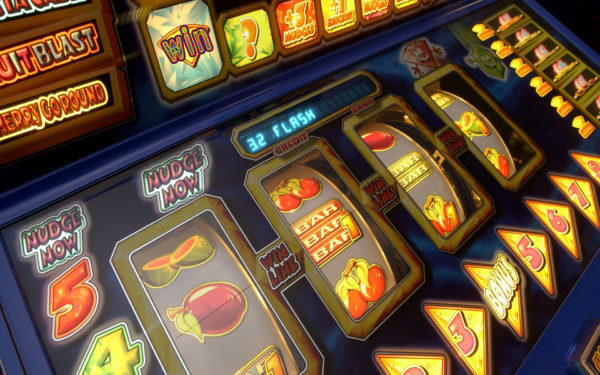
The introduction of technology further revolutionized the gambling experience. Electronic slot machines and online gambling platforms have made it easier for players to access games from anywhere. This evolution has not only expanded the audience for gambling but also changed the way casinos operate, leading to innovations in marketing and customer engagement.

Modern Casinos and the Digital Era
Today’s casinos represent a convergence of tradition and innovation. While brick-and-mortar establishments continue to thrive, the rise of online gaming has transformed how players engage with gambling. Websites dedicated to casino games offer a vast array of options, from classic table games to modern video slots, all accessible from the comfort of home.
This digital shift has also prompted traditional casinos to adapt. Many now incorporate online platforms to reach a broader audience, offering mobile apps and live dealer games that replicate the casino experience. As gambling continues to evolve, it remains a dynamic intersection of culture, technology, and human behavior, ensuring that its rich history will only deepen in the future.