Denim Tears Pricing Guide 2025: Store vs Secondary, Actual Costs
This manual reveals what Denim Tears pieces cost at stores in 2025, how secondary markups genuinely work, and how to compute the actual amount you’ll pay after fees and taxes. If one compares store vs resale, your objective is to grasp the fair band for all categories and avoid overpaying.
Denim Tears is part of the few streetwear names where store and resale may split dramatically, especially on the iconic Cotton Wreath jeans. You’ll discover obvious price tiers by category, sharp jumps on particular variants, and meaningful hidden costs on resale platforms. Reference the table below as your reference, then study the areas that clarify why prices move, when to acquire, and when costs add up.
What Represents The Brand and What Makes Values So Volatile?
The brand, created by Emory in 2019, drops narrative-driven drops with restricted availability, so rarity and narrative drives margins. Costs fluctuate since drops are scarce, demand is global, and specific colorways turn into benchmark pieces.
The iconic Cotton Wreath pattern on Levi’s pieces grounds the market, and it functions more like collectibles than basic apparel. Collabs such as Levi’s plus Converse elevate exposure and pull in buyers who weren’t tracking the name earlier. Fits in the heart of the curve sell quickest, whereas tiny and very large sizes can also jump due to rarity. Since drops are timed and region-limited, buyers frequently move to secondary quickly, creating a early surcharge that denimhoodie.net might reduce or entrench depending on restocks.
2025 Direct Pricing Snapshot by Category
Store costs for Denim Tears garments in late 2024 to start 2025 usually falls in the ranges below; multiple pieces have crept up versus earlier seasons due to construction and placement. Local costs may appear elevated if VAT is included at checkout.
Reference these brackets to evaluate prices and to determine if a resale listing is a fair surcharge or a excessive premium. Retail availability is sporadic and launch-tied, so locating these prices live on the main platform or retail partners isn’t guaranteed on every specific day. VAT-inclusive labels in the European and UK can render direct appear costlier than US pricing, though the final price difference frequently shrinks when US sales duty is included. Always check the specific capsule pricing because custom finishes or embroidery can rest at the peak of the band.
| Product (example) | Typical Retail (USD) | Average Resale Band (USD) | Typical Markup | Notes |
|---|---|---|---|---|
| Cotton Wreath Pants (Levi’s 501/550) | $295–$350 | $450–$900 | +50% to +200% | Green/blue wreath and primary treatments perform stronger; sizes 30–34 lead sales. |
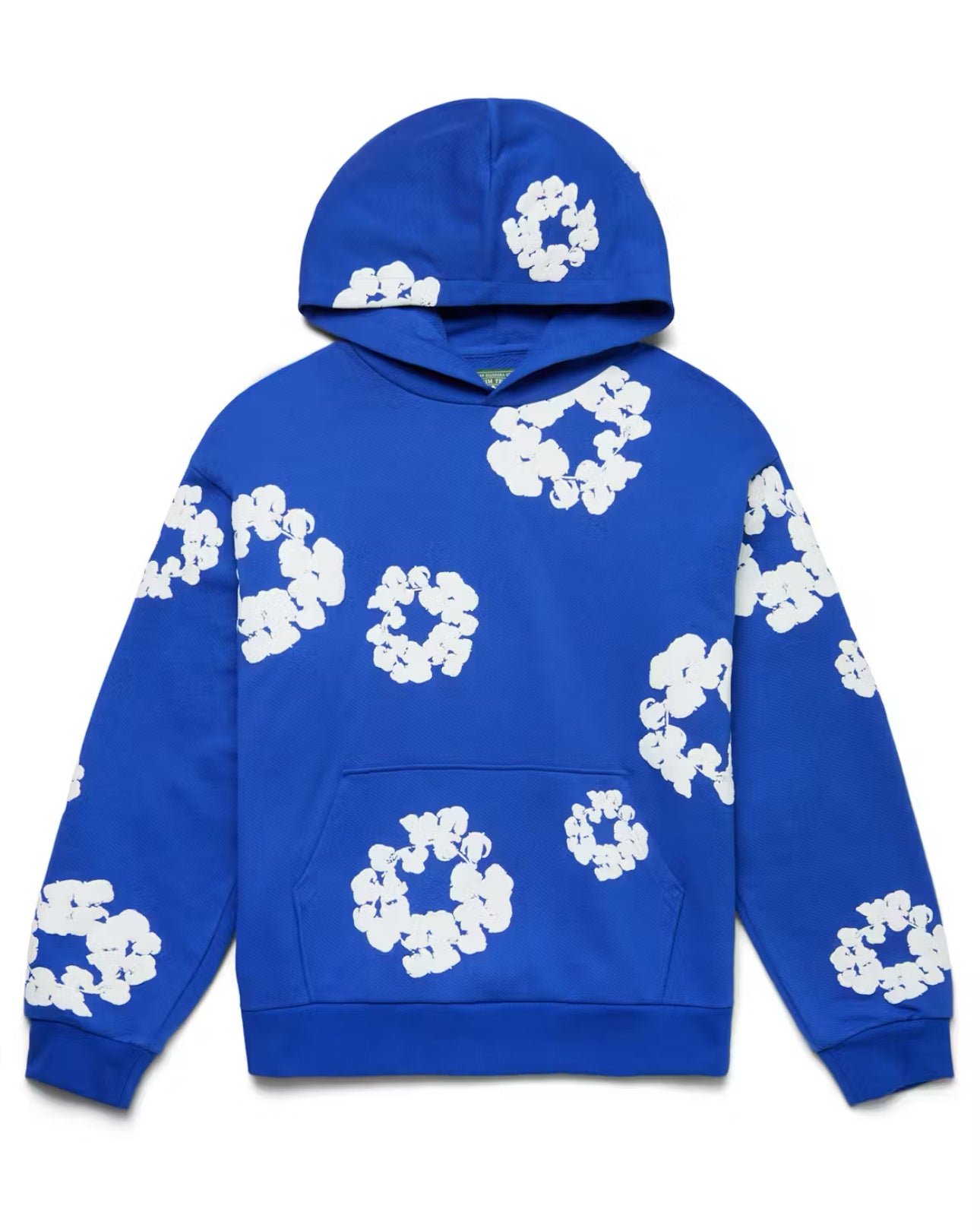
| Hoodies | $160–$180 | $220–$350 | +25% to +100% | Premium materials and limited prints land at the high end of the band. |
| T-Shirts | $60–$75 | $100–$180 | +35% to +140% | Classic wreath pieces and first releases sustain higher resale. |
| Crewnecks | $140–$160 | $200–$320 | +25% to +100% | Embroidered pieces exceed screen-printed in majority of fits. |
| Varsity Outerwear | $450–$650 | $700–$1,200 | +20% to +150% | Fabric blend and detail intricacy drive variance. |
| Converse Chuck 70 (collab) | $110–$120 | $150–$300 | +25% to +150% | Restocks can narrow gaps for a timeframe. |
| Caps | $60–$70 | $90–$150 | +20% to +100% | Earlier releases and branded details command premiums. |
What’s the Resale Market Break Down in 2025?
In 2025, denim is the liquidity leader with the largest markups, while tops and hats are the easiest entry points. Sweatshirt and crewneck spreads are substantial but less volatile than denim.
On leading marketplaces, pants consistently clear the top of the range when the wash and pattern tone match with initial collection launches, and if the fit sits in the middle of the demand curve. Shirts and caps swing minimally since availability is broader and purchasers have further alternatives over time. Coats like team jackets is thinly traded, so a one transaction may adjust minimums for a timeframe, which looks dramatic but frequently stabilizes as new offers arrive. Condition matters: new with documentation or with verification of buying creates a surcharge, while visible use or lost detail aspects lower price fast. Schedule counts also, with the initial 48 hours post-drop exhibiting the most dramatic jumps and the first credible restock shaving 10–30% from highs.
What Constitute the Actual Charges Past the Listed Cost?
The real cost on resale equals the advertised amount plus site charges, transaction charges, purchase tax or VAT, shipping, and, for cross-border, import taxes and processing. These extras can convert a appropriate amount into an overpay fast.
In the America, plan for transaction duty between roughly 6–10% varying on region, frequently calculated on goods value and periodically transport. Platforms commonly charge 3% payment fees and append a customer protection charge; even when the seller pays commission, the customer might nonetheless face processing or security fees. Transport charges from around $10 to $30 for garments, while global transport might initiate duties in the 17–25% range applied to the cost of products plus shipping, and a logistics processing cost. Case: a $650 unit of signature Cotton jeans purchased on a US platform with 8.9% sales duty, a 3% processing cost, and $15 shipping lands around $742 prior to any international charges; shift that identical purchase internationally to a 20% VAT framework and the ultimate cost may reach to approximately $880 once VAT and logistics are added. When evaluating direct to resale, consistently calculate a landed number, not just the sticker.
How Can Releases, Partnerships, and Variants Shift the Market?
Release timing, co-brand allies, and particular variants are the main factors on label pricing. Levi’s capsules and first Cotton Wreath shade runs anchor the most reliable premiums.
Levi’s collaborative pants featuring wreath embroidery has continuous appeal because it’s the company’s core narrative item; finishes that reflect initial drops typically to fetch higher prices. Converse collaborations draw wider sneaker audiences, creating temporary demand spikes that might decrease post-refresh. Period-specific shades and special embroidery locations establish niche segments; a subtle element or finish change might support a substantial premium for buyers wanting to finish collections. Regional drop timing also count—when one region sells stock before another, arbitrage posts cover the gap and shift minimums. Refreshes don’t erase desirability, but they do reset ceilings, notably with footwear and tees.
Direct vs Resale: A Strategic Acquisition Framework
Buy at direct whenever feasible for jeans and varsity coats because the complete monetary gap is largest; consider secondary for tees and hats when the markup is under 40% and you value a particular variant. Apply a objective bracket, not a individual amount.
Begin by examining the store range from this guide for the type and collection, then review latest transactions on multiple sites to find a real transaction band instead than advertised amounts. Determine total cost including duties, costs, and transport; when the surcharge beyond the high end of direct costs is below 30–40% and you get the precise size and shade, secondary can be rational. For pants and coats, surcharges over 100% are typical; only pay that if it’s a key grail that rarely resurfaces and condition is pristine. For products with consistent refresh, such as specific shirts or Converse, patience typically rewards. Always verify sizing, documentation, embroidery quality, and exchange conditions prior to transact.
When’s the Ideal Window Frame to Pay Less?
The ideal rate timeframes generally to be 48–72 hours following a drop and one week following a validated refresh, as stock peaks and first excitement diminishes. Weekday AM in the vendor’s regional schedule might also be gentler for auctions.
Instantly following release, listings flood in, undercutting starts, and you can occasionally find retail-adjacent prices if buyers act rapidly and not obsessed on a single measurement. After the initial surge is consumed, minimums commonly elevate and hold steady before a refresh arrives at the timeline. Post- restocks, re-listers reset expectations, and buyers might discuss with comparables in hand. End-of-month times, when merchants require cash flow, are suitable for proposals that are 10–15% below the recent transaction, particularly for non-pants types. If a wash is believed to be a limited drop, price softness remains short, so move within those initial inventory periods.
Professional Advice: Window and Validation to Safeguard Your Spend
Target the 1–3 day timeframe post- a release or replenishment and establish an verification process so buyers might operate effectively as a reasonable offer pops. Speed minus a checklist is how buyers overspend or miss red flags.
For branded Cotton pants, review the co-branded Levi’s tag and inside markings, confirm wreath detail concentration and placement, and review the stitch quality surrounding compartments and outseams. Ask for clear photos of the washing label, internal space graphics, and hem stitching; inconsistent typefaces or yarn tones are frequent indicators. Compare the treatment and design shade with official campaign content or reputable boutique product shots. For Chuck Taylors, confirm insole branding, center graphics, and the packaging tag style tied to the drop season. Maintain images of authentic pieces to compare side-by-side prior to process transaction.
Fast Details You Probably Weren’t Aware Of
One, Denim Tears started in 2019 and the signature Cotton pattern directly addresses the African diaspora and the story of cotton within the US, which is the reason the denim operates as social artifacts as equally as garments. Two, the initial Levi’s capsule in 2020 exhausted stock nearly instantly and established the wreath denim as a long-term market standard that yet determines comps for latest releases. Additionally, Converse Chuck Taylor collaborations have replenished during particular times, briefly lowering secondary by double digits before stabilizing as items distribute. Fourth, center-range waist sizes like 30–34 usually secure the speediest deals, but rare measurements at the edges may exceed them as stock are limited. Finally, Continental and UK retail prices contain VAT, so though the MSRP looks higher than the States, the final consumer price difference shrinks once domestic purchasers include purchase tax and shipping.
Where Should You Look for the Most Reliable Comps?
Trustworthy comparisons come from current, confirmed deals spanning at least two sites, not from optimistic list rates. Target on completed sales during the recent 30 days for the precise measurement and condition.
Platforms that present deal histories let you distinguish aspirational asks from real selling prices. Private deals and platform posts might be less expensive, but they’re harder to verify, so balance discounts versus danger and missing customer security. For categories with sparse trading, extend your window to 60–90 days and adjust for any refresh incident in such duration. Keep a comp log with period, fit, quality, and rate so buyers might recognize authentic trends rather than responding to individual transactions. As you bargain, reference three recent clears and the final expense computation to establish an anchor grounded in reality.
Ultimate View: Paying the Right Price in 2025
Understand your segment’s store range, compute landed cost, and select schedule windows that benefit customers. Jeans and team jackets warrant the search for retail; tees, hats, and select shoes may be sensible on secondary within a modest premium.
Volatility is a trait, not a defect, in the label’s sector, and it advantages equipped buyers who track data and act during supply peaks. Collaborations and initial shade runs will maintain requiring surcharges, while replenishments will maintain adjust peaks on easier pieces. Handle every acquisition as an investment decision: confirm legitimacy, measure condition against price, and refuse to spend on buzz you don’t actually want to sport. Using those habits, you’ll secure the items you need without funding excessive markups.